MathTech meetings 2026
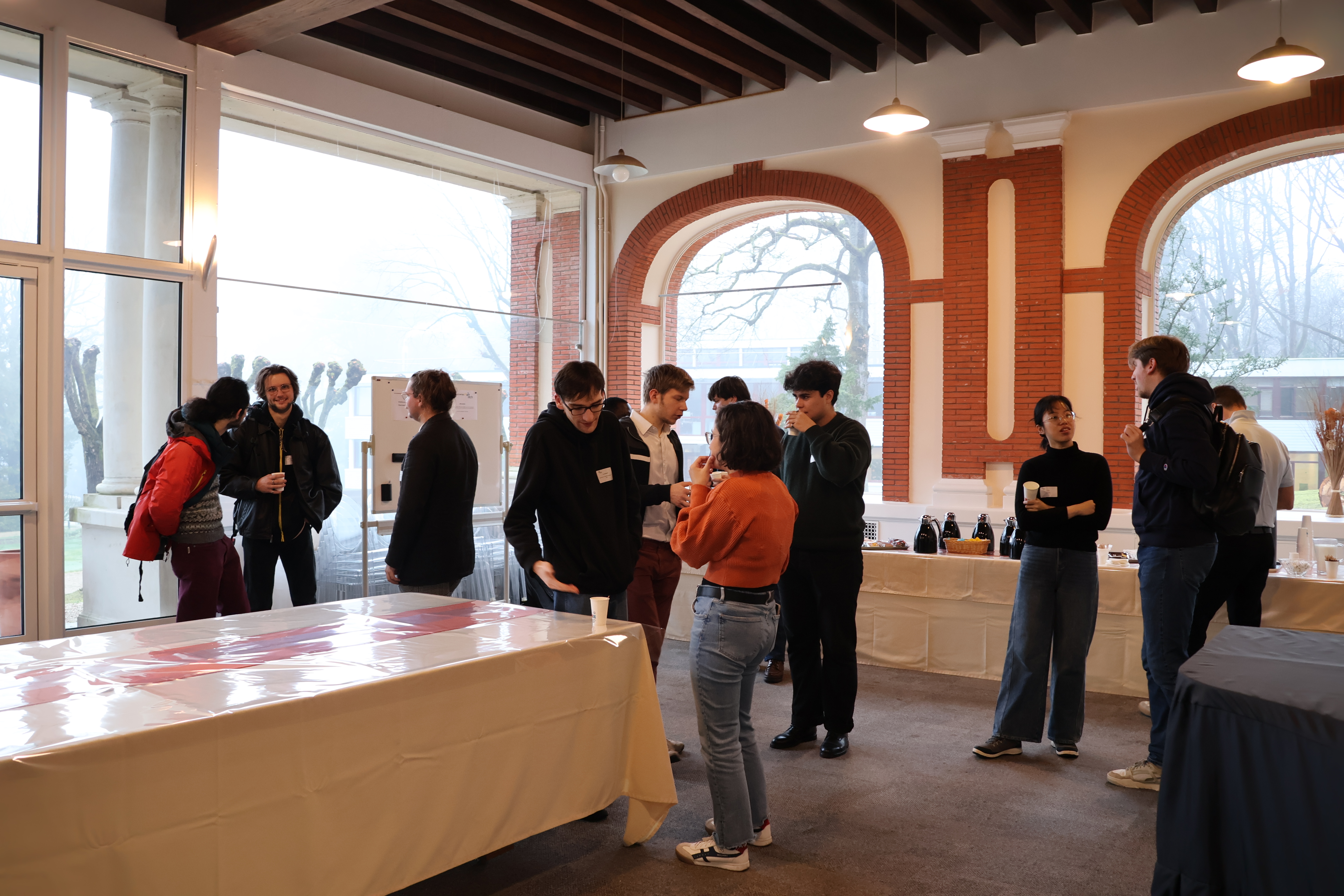
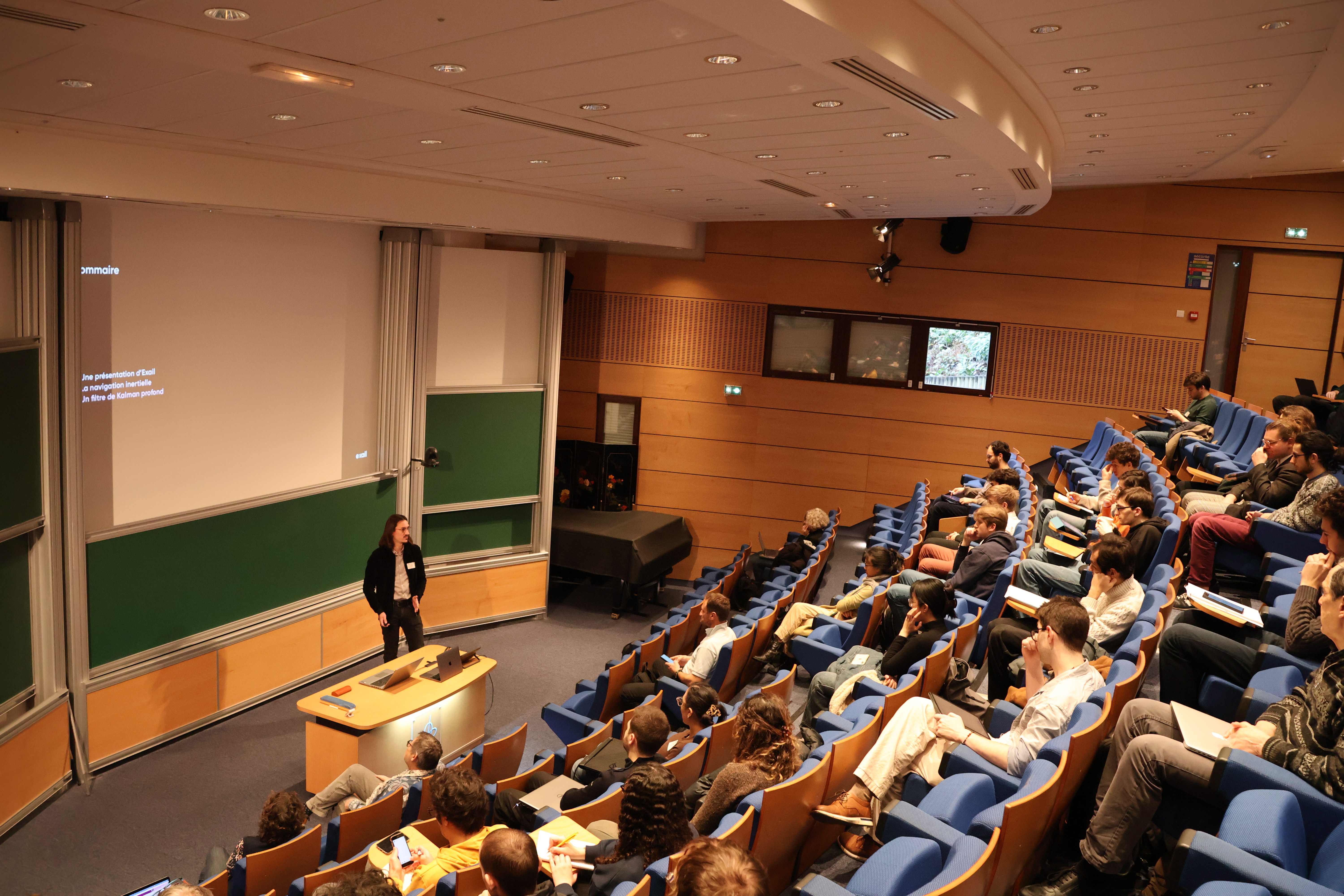
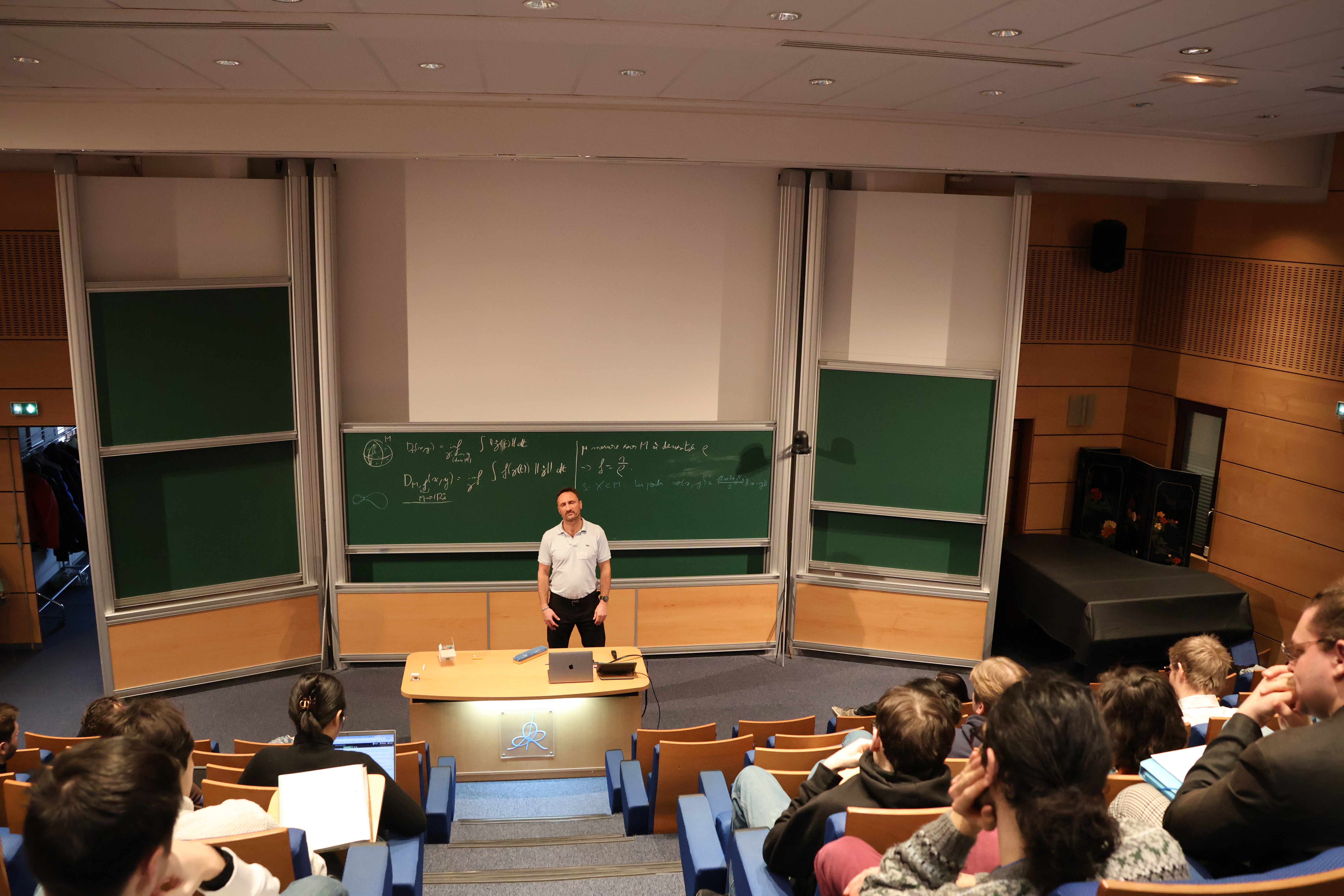
The FMJH organizeD the "MathTech meetings" on January 28, 2026 at the IHES in the Marylin and James Simons auditorium. The aim of this day was to raise awareness of corporate research among PhD students and post-docs in mathematics.
Thank you all for making this day so captivating and rich in discussion and sharing.
Program 2026
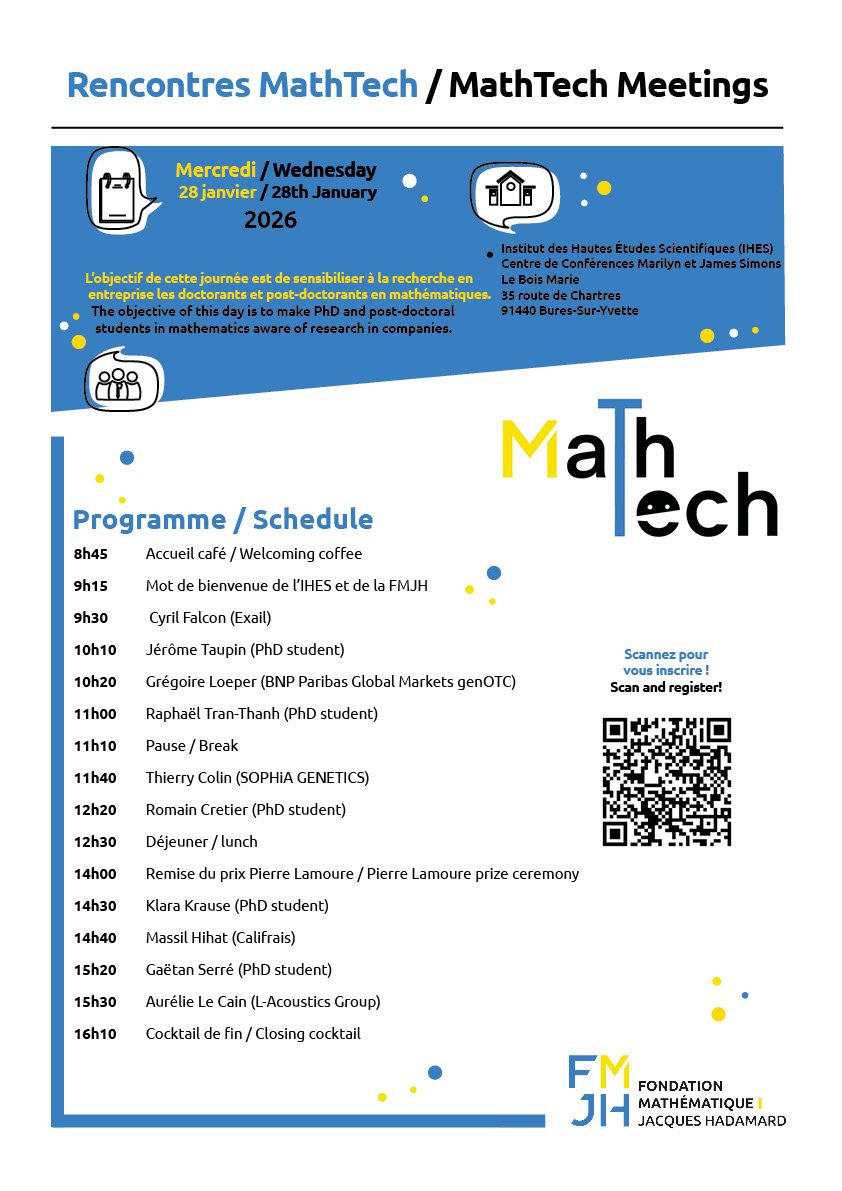
8h45 : Accueil café / welcoming coffee
9h15 : Mot de bienvenue de l'IHES et de la FMJH
9h30 : Cyril Falcon (EXAIL) - "Quand les mathématiques tracent la route"
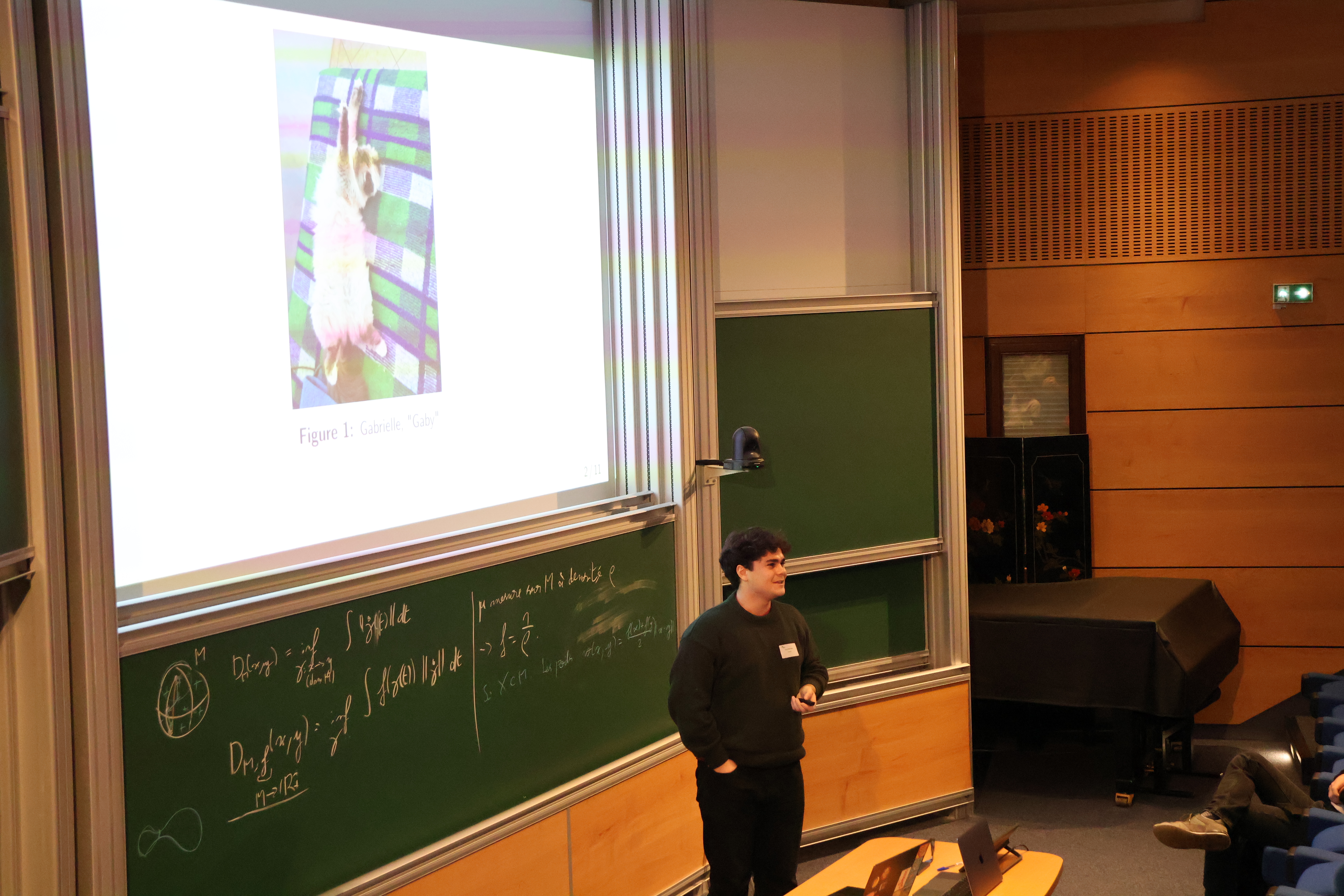
10h10 : Jérôme Taupin (PhD student) - "Estimation de Métriques Conformes dans des Espaces de Données"
10h20 : Grégoire Loeper (BNP Paribas Global Markets genOTC) - "Transport Optimal : De la recherche fondamentale aux applications en finance."
11h00 : Raphaël Tran-Thanh (PhD student) - "Processus stochastiques à mémoire pour des modèles génératifs de diffusion "
11h10 : Pause / Break
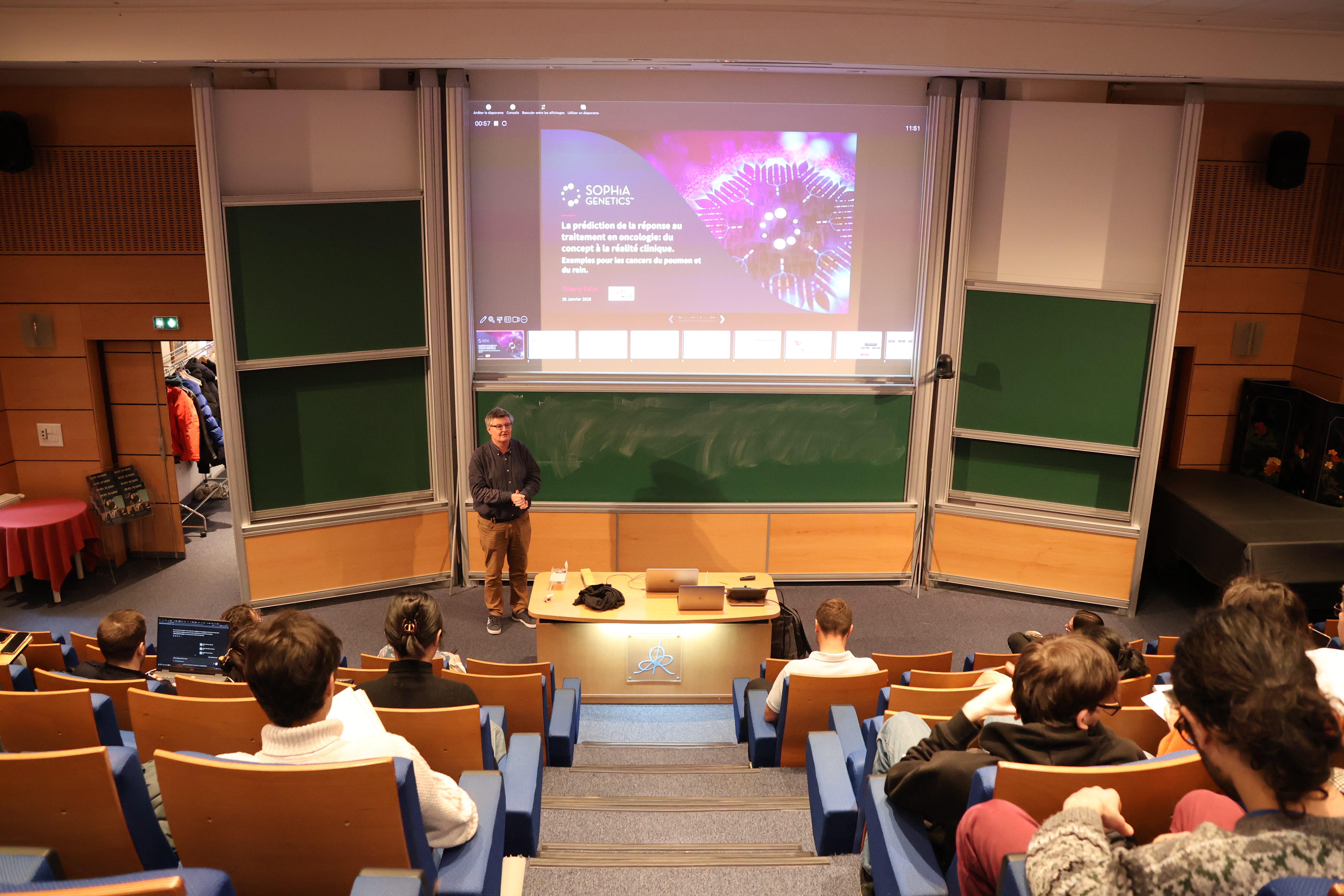
11h40 : Thierry Colin (SOPHiA GENETICS) - "La prédiction de la réponse au traitement en oncologie : du concept à la réalité clinique. Exemples pour les cancers du poumon et du rein."
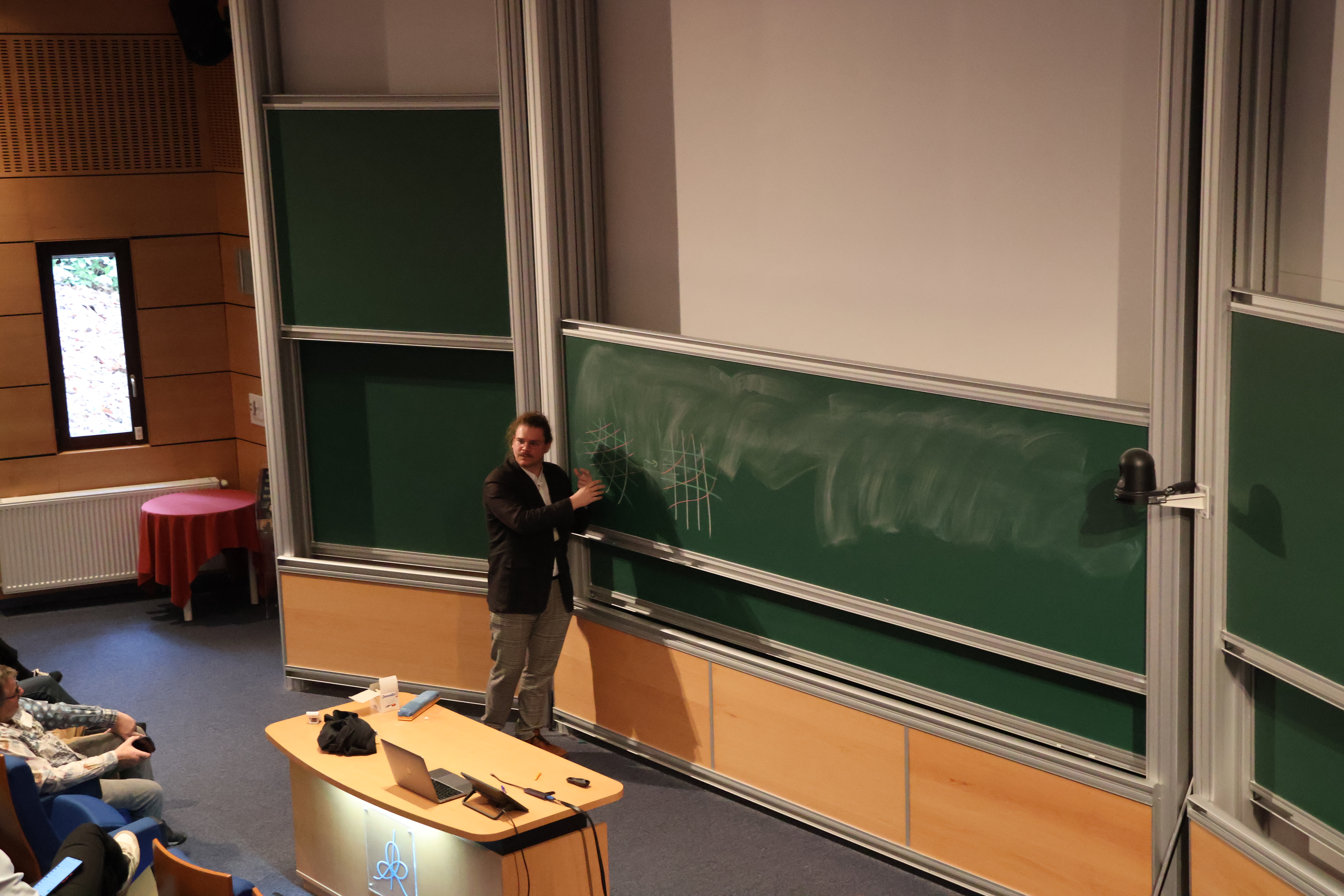
12h20 : Romain Cretier (PhD student) - "Comment classifier des structures géométriques ?"
12h30 - 14h00 : Déjeuner / Lunch
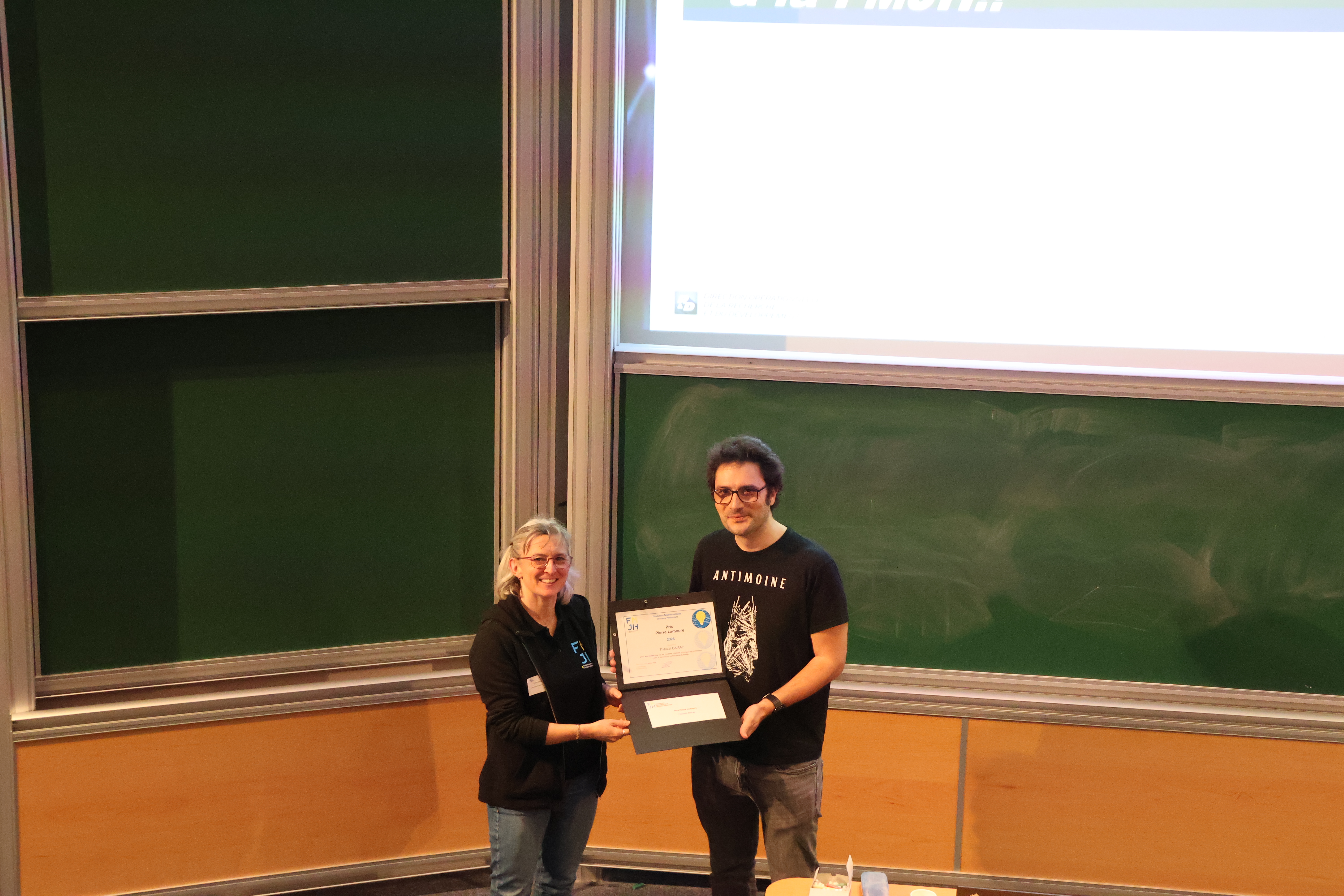
14h00 : Remise du prix Pierre Lamoure / Pierre Lamoure prize ceremony - Laureat Thibault Dairay
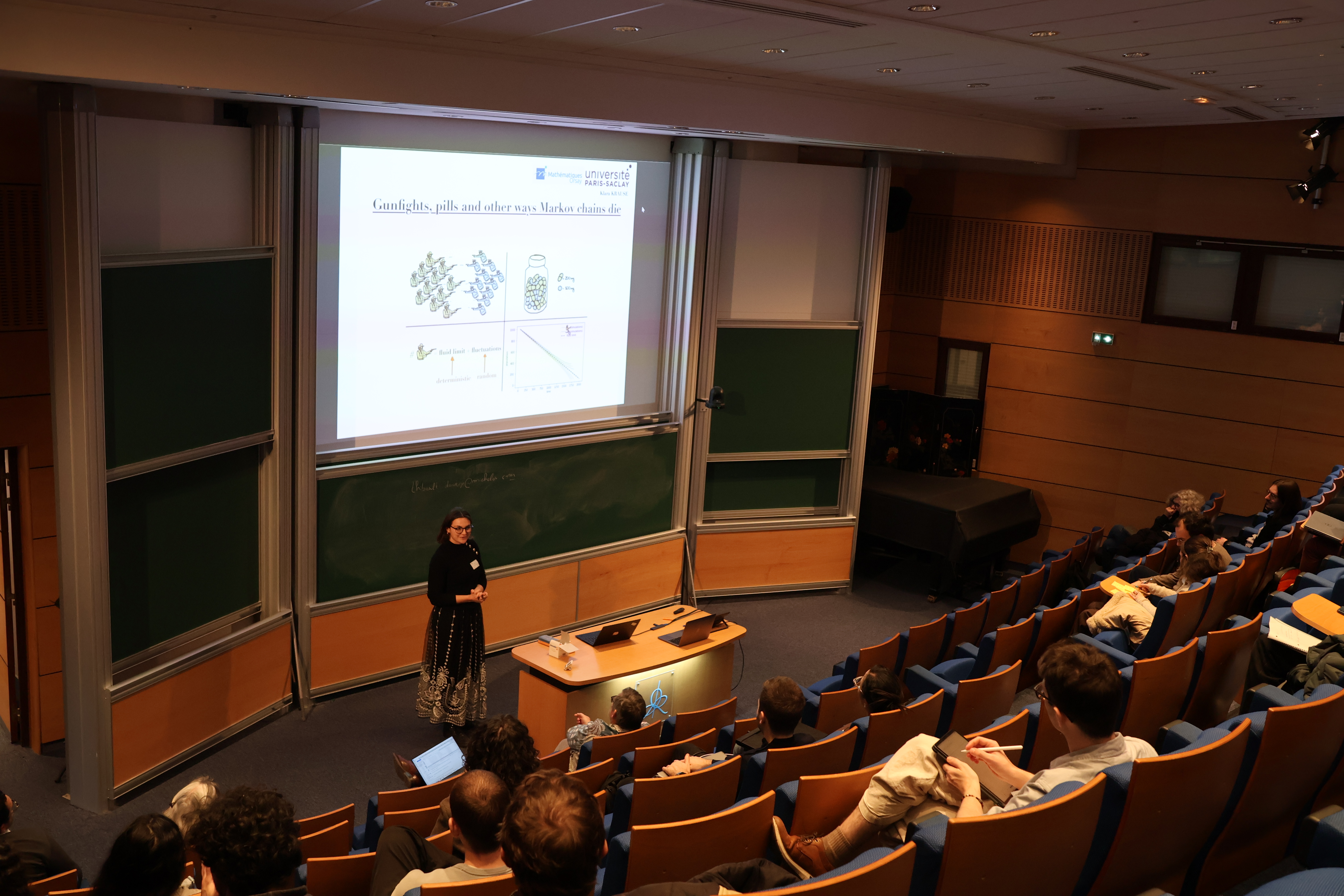
14h30 : Klara Krause (PhD student) - "Gunfights, pills and other ways Markov chains die"
14h40 : Massil Hihat ( CALIFRAIS)
15h20 : Gaëtan Serré (PhD student) - "Une formalisation des algorithmes d'optimisation"
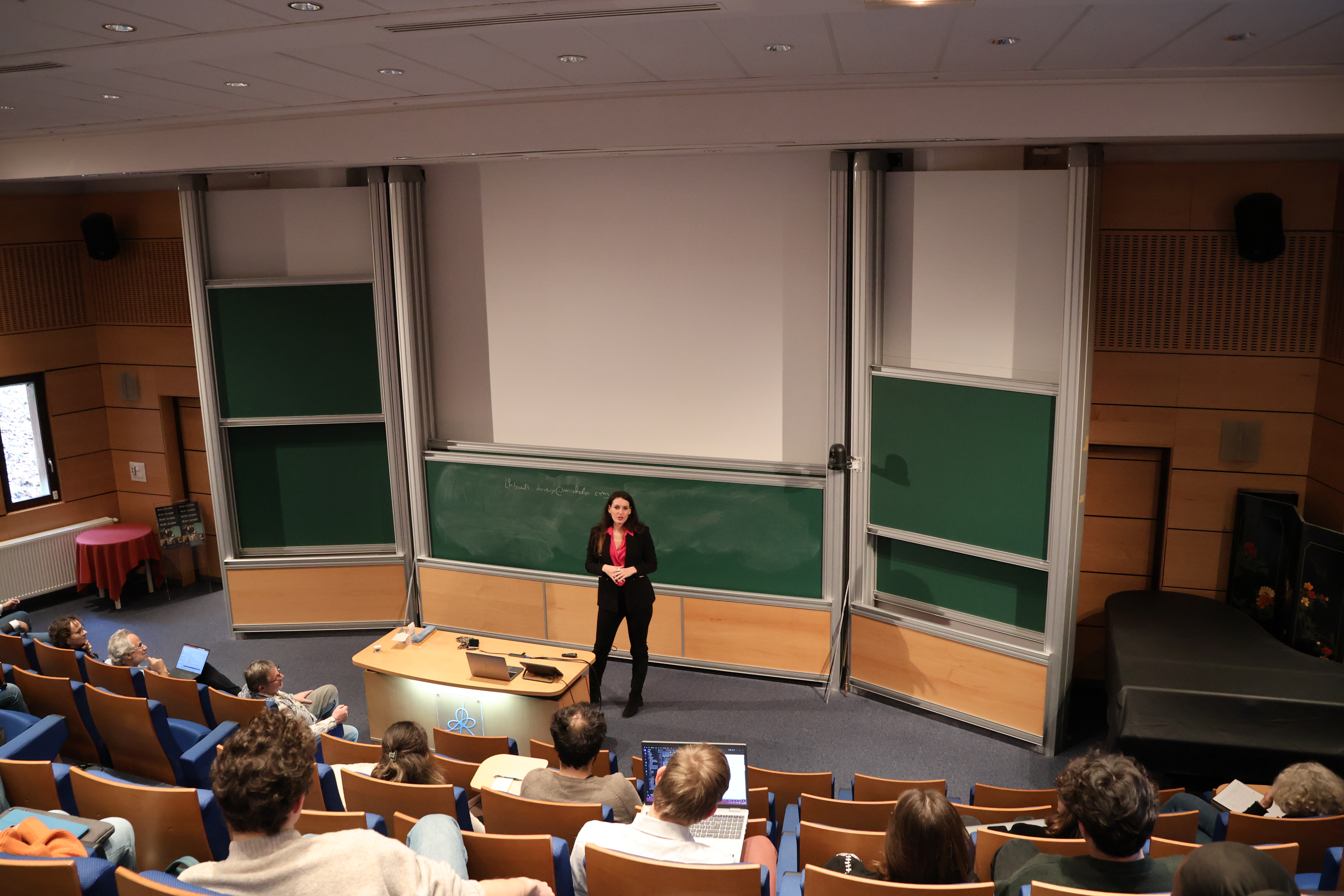
15h30 : Aurélie Le Cain (L-Acoustics) "Utiliser les mathématiques pour nourrir la stratégie produit et accompagner la transformation des organisations"
16h10 : Cocktail de fin / Closing cocktail
Our speakers
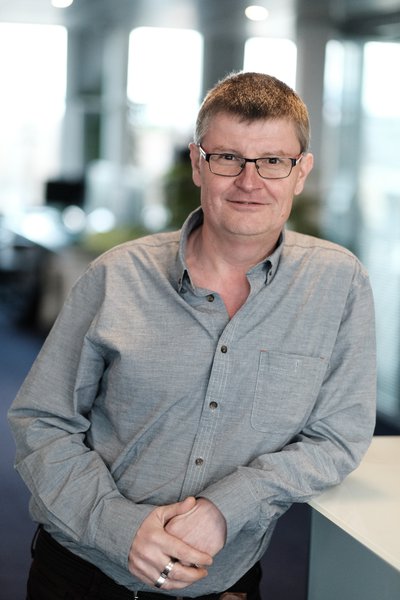
Thierry Colin
VP, multimodal R&D - SOPHiA GENETICS
La prédiction de la réponse au traitement en oncologie : du concept à la réalité clinique. Exemples pour les cancers du poumon et du rein.
"Lorsqu’un patient est diagnostiqué d’un cancer, il va subir plusieurs examens médicaux qui vont permettre à l’oncologie de proposer le traitement le plus adapté. Ces examens conduisent à la production d'une importante quantité de données qui ne sont que très partiellement utilisées pour la prise en charge effective du patient. La quantité et la qualité des données générées a considérablement augmenté en une dizaine d’année (c’est particulièrement le cas pour la génomique) et dans un même temps l’éventail des traitements disponibles s’est considérablement étoffé. Notre mission chez SOPHiA est d’aider au mieux les oncologues à exploiter ces données pour un plus grand bénéfice pour les patients. A travers deux exemples, je montrerai comme développer cette stratégie en navigant entre ce qui est possible mathématiquement, ce qui est déployable en routine clinique, ce qui est acceptable en terme d’usage pour les médecins."
Mantra : "Oui bien sûr, c’est possible !"
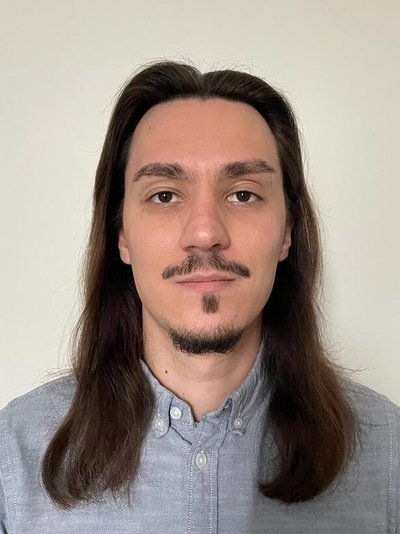
Cyril Falcon
Ingénieur R&D algorithmes, Exail - R&D Navigation
When mathematics charts the course
"When GPS is no longer available, whether underwater, in space or in conflict zones, inertial navigation allows you to find your bearings by measuring movement. Positioning errors accumulate quickly, and while traditional methods based on statistical models can reduce them, they remain imperfect. At Exail - R&D Navigation, we are developing a recurrent neural network (RNN) guided by a Kalman filter to overcome these constraints and improve the estimation of stochastic processes. »
Mantra : "Conceptualise problems well to solve them better."
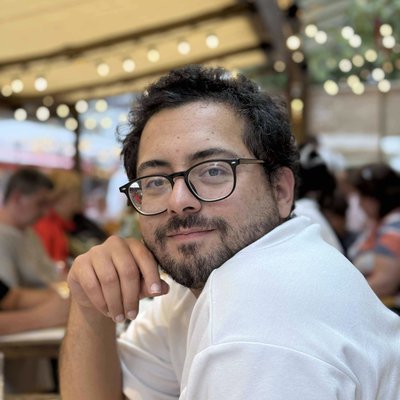
Massil Hihat
Machine Learning Researcher - CALIFRAIS
From theoretical sequential learning to practical inventory problems.
"At Califrais, I was exposed to the realities of supply chains.
For example, one question that arises in inventory management is: what quantities should be ordered on a given day in order to meet unknown future demand, given constraints such as storage capacity, perishability, delivery times, minimum order quantities, etc.?
In this presentation, I will share some of my research work, which consisted of designing and adapting sequential learning models for inventory management problems with, where possible, theoretical guarantees on learning.
The aim is to illustrate my mantra: “theory serves practice and practice inspires theory,” but also the compromises that must be made when it comes to providing mathematical solutions to concrete problems »
Mantra : "Theory serves practice, and practice inspires theory"
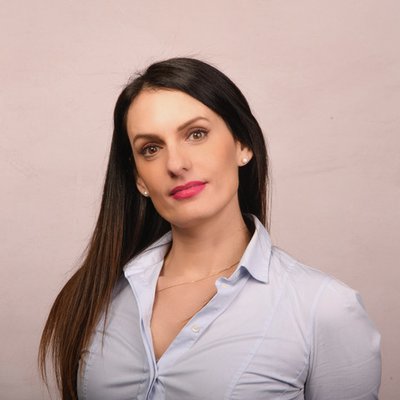
Aurélie Le Cain
Data & AI Director Global - L-ACOUSTICS
Using mathematics to inform product strategy and support organizational transformation
"Mathematics is much more than an abstract language: it is a powerful tool for understanding, anticipating, and acting on the real world.
At the crossroads of research, technology, and impact, I will share how rigorous work can translate into useful and meaningful applications. Through concrete examples, let's see how algorithms, mathematical models, and data can become levers for performance, innovation, and business decisions. »
Mantra : "Mathematics as a universal bridge between academic research, innovation, and value creation."
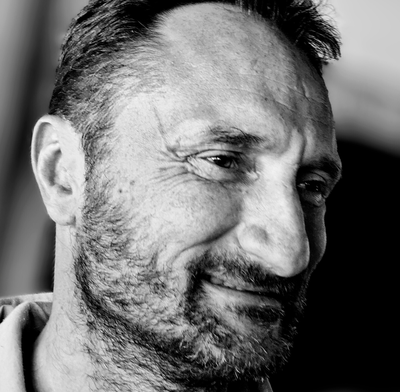
Grégoire Loeper
Grégoire Loeper, Senior Scientific Advisor, BNP Paribas Global Markets genOTC
Optimal Transportation: From fundamental research to applications in finance.
"After completing my PhD in mathematics on optimal transportation, I spent a few years in academic research, then branched out into the world of financial markets, without really giving up research...
My career has since been divided between fundamental research and the world of derivatives.
I will briefly present the theory of optimal transportation, the mathematics of finance and derivatives, the bridges between the two, and the impact this has had on my career »
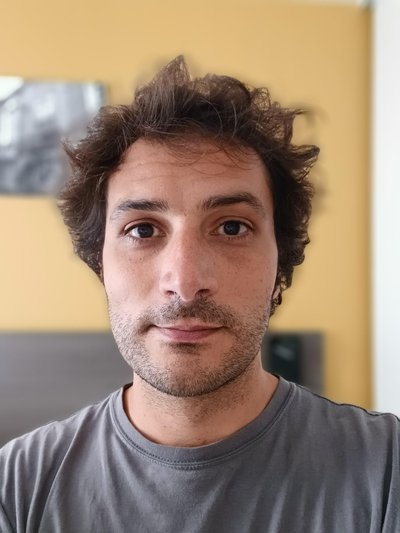
Thibault Dairay
DORD/PM/SIM - Michelin
Pierre Lamoure prize 2025
"I work on hybrid physics–machine learning models for industrial numerical simulation. At Michelin, I develop model order reduction, physics‑informed machine learning, and digital twin approaches. These methods are deployed in R&D to accelerate design, optimize processes, and improve performance and safety."
Our PhD students
- Jérôme Taupin (PhD student) - "Estimation de Métriques Conformes dans des Espaces de Données"
- Raphaël Tran-Thanh (PhD student) - "Processus stochastiques à mémoire pour des modèles génératifs de diffusion "
- Romain Cretier (PhD student) - "Comment classifier des structures géométriques ?"
- Klara Krause (PhD student) - "Gunfights, pills and other ways Markov chains die"
- Gaëtan Serré (PhD student) - "Une formalisation des algorithmes d'optimisation"